AI Security & Influence Ops: Anthropic says it found nine foreign influence operations using Claude, including Russian and Iranian state-aligned efforts to spread political content via “commercial actors.” Armenian Space Push: Armenia’s PM Nikol Pashinyan outlined a 2026–2031 satellite expansion at an International Space Summit in Paris, aiming for at least three satellites plus domestic ground control and a distributed ground-station network; Local Tech Community: Tbilisi hosted Tester’s Day 2026 with TBC Tech support, focusing on AI-enabled quality engineering and next-gen test automation. Education & Skills: PISA 2025 coverage highlights Georgia’s relative performance versus Armenia and Azerbaijan, while Georgia’s education ministry reports improvements across key areas. Biotech Pipeline: Georgia’s Innovation and Technology Agency ran a 6-day biotechnology camp in Svaneti for 100 teenagers, including programming and prototype-building. Regional Tech/Industry: Azerbaijan opened a highly automated paper and hygiene products plant near Garadagh, with exports planned to Georgia and beyond. Tech Governance: A report on outdated broadcast equipment in South Ossetia points to infrastructure gaps affecting public information.
AGP Executive Report
Your go-to archive of top headlines, summarized for quick and easy reading.
Note: AI summary from news headlines; neutral sources weighted more to help reduce bias in the result. Feedback is welcome. Please let us know if you have any comments or suggestions about the AGP Executive Report.
PISA & STEM Skills: Armenia’s students posted very low results in the OECD PISA 2025 test, with almost no top performers in science and reading, and Georgia, Azerbaijan and Turkey ranking ahead—prompting calls for faster education reform and better lab access. Retail Tech in Tbilisi: PSP opened its third pharmacy in Tbilisi under a new concept, adding a diagnostic mirror that scans facial skin and delivers personalized recommendations via QR or email, plus interactive product shelves. Archaeology in the Capital: Roadworks on Rustaveli Avenue in Tbilisi uncovered a 10th-century pottery cache, turning a traffic disruption into a major find for local archaeology. Local Research Capacity: Georgia Southern University highlighted its National Tick Collection, a Smithsonian-linked resource used worldwide for tick taxonomy and genetics research. Security Tech Oversight: A U.S. town hall in Gwinnett County addressed concerns over Flock license-plate cameras after alleged misuse, with changes to retention and search rules. Industrial Expansion: Azerbaijan’s Fabriora Group opened a paper and hygiene products plant in Garadagh, using automated tech and planning exports including to Georgia. Regional Connectivity Watch: Reports say Russia is exploring a Trans-Altai railway to link freight directly with China, aiming to ease pressure on existing Middle Corridor routes.
Space & Science Diplomacy: Georgian PM Irakli Kobakhidze is set to attend France’s first International Space Summit, with a focus on space research, science, and security. Archaeology in Tbilisi: Roadworks on Rustaveli Avenue uncovered a 10th-century pottery cache, turning a city upgrade into a major find. Tech in Retail Healthcare: PSP opened its third Tbilisi pharmacy under a new concept, featuring a diagnostic mirror that analyzes facial skin via camera software and delivers personalized recommendations through QR/email. Education Metrics: Georgia’s 2025 PISA results show gains in science, math, and reading, but reading comprehension remains a weak spot. Infrastructure & Culture: The Municipal Development Fund announced a third attempt to tender design work for rehabilitating the Tbilisi Philharmonic, including modern stage tech, accessibility upgrades, and safety systems. Regional Connectivity Policy: Armenia’s former security chief Armen Grigoryan joined PMCG as a senior adviser, already working on TRIPP feasibility to improve connectivity through Armenia.
Space & Research Diplomacy: Georgian PM Irakli Kobakhidze is heading to France for the first International Space Summit, with a focus on space research, science, security and defense, and coordination among partners. Public Infrastructure & Culture: The Municipal Development Fund has relaunched a tender for the third time to rehabilitate the Tbilisi Philharmonic (Concert Hall), now estimated at 6.5 million GEL, including stage upgrades, accessibility improvements, modernized utilities, acoustics, and safety systems. Digital Trade & Logistics: The Middle Corridor gets a tech boost: Azerbaijan, Turkmenistan and Uzbekistan completed a cross-Caspian pilot using eTIR for a single electronic transit document across borders, aiming to cut paperwork friction. Energy & Climate: Azerbaijan’s Caspian shipping is feeling the Caspian Sea’s retreat—ferries may carry only about 80% of normal cargo, with dredging and berth upgrades becoming costlier. Civic Space & Law: The Council of Europe’s human rights commissioner Michael O’Flaherty submitted observations in Georgia’s FARA-style case, urging a safe environment for civil society and highlighting concerns about restrictions on NGOs and media. Cybercrime: A Russian web developer, extradited from Georgia, pleaded not guilty in Atlanta over alleged spoofed banking sites and large-scale account takeovers.
Clean Energy Investment: Suniva closed an $835M debt-and-equity raise to build a second U.S. solar cell plant and expand capacity to 5.5 GW, pushing more domestic manufacturing into the spotlight. Education & Skills: Georgia reported broad gains in PISA 2025, with top improvement in science and reduced low-performer shares, plus a new national curriculum assessment model that weights homework, class work, and summative tasks equally and adds remediation rules. Local Tech & Infrastructure: Batumi is upgrading schools and kindergartens via the Municipal Development Fund, while Tbilisi is moving ahead with a tram line design and construction contract. Energy Transition in the Region: Georgia’s first Chinese-invested wind project broke ground in Tbilisi, and Azerbaijan highlighted wind and solar growth alongside renewable export “green corridors,” even as the shrinking Caspian Sea threatens Middle Corridor cargo capacity. Civic Space & Law: The Council of Europe human rights commissioner intervened in Georgia’s FARA-style case at the ECHR, arguing the law restricts civil society and media work. AI for Web Teams: BinaryWorks announced a free live “AI sprint” webinar for Drupal 10/11 teams focused on faster UX, smarter search, and better ROI.
Human Rights & Rule of Law: GYLA reports that the Council of Europe Commissioner for Human Rights has filed a third-party submission to the ECtHR in Georgia’s “FARA-style” case, arguing the law restricts civil society and harms media and human-rights NGOs. Education & Infrastructure: Batumi is upgrading schools and kindergartens via the Municipal Development Fund, including rehab at Public Schools No. 4 and 5 (with new labs, libraries, sports areas, and accessibility) and works across Kindergartens No. 3, 12, and 18. Energy & Renewables: A groundbreaking ceremony in Tbilisi marks the start of the Imereti wind power plant, Georgia’s first Chinese-invested new energy project, aimed at boosting green power and energy independence. EdTech/AI for Web Teams: BinaryWorks will run a free Sept. 15 live webinar on using a 14-day AI sprint to improve UX, search, and ROI for Drupal 10/11 teams. STEM Outcomes: Georgia’s PISA 2025 results show improvements across key areas, with top progress in natural sciences and a reduced urban-rural achievement gap. Tech & Design Workflow: A Batumi architectural visualization case highlights real-time, ray-traced storytelling workflows for large-scale projects.
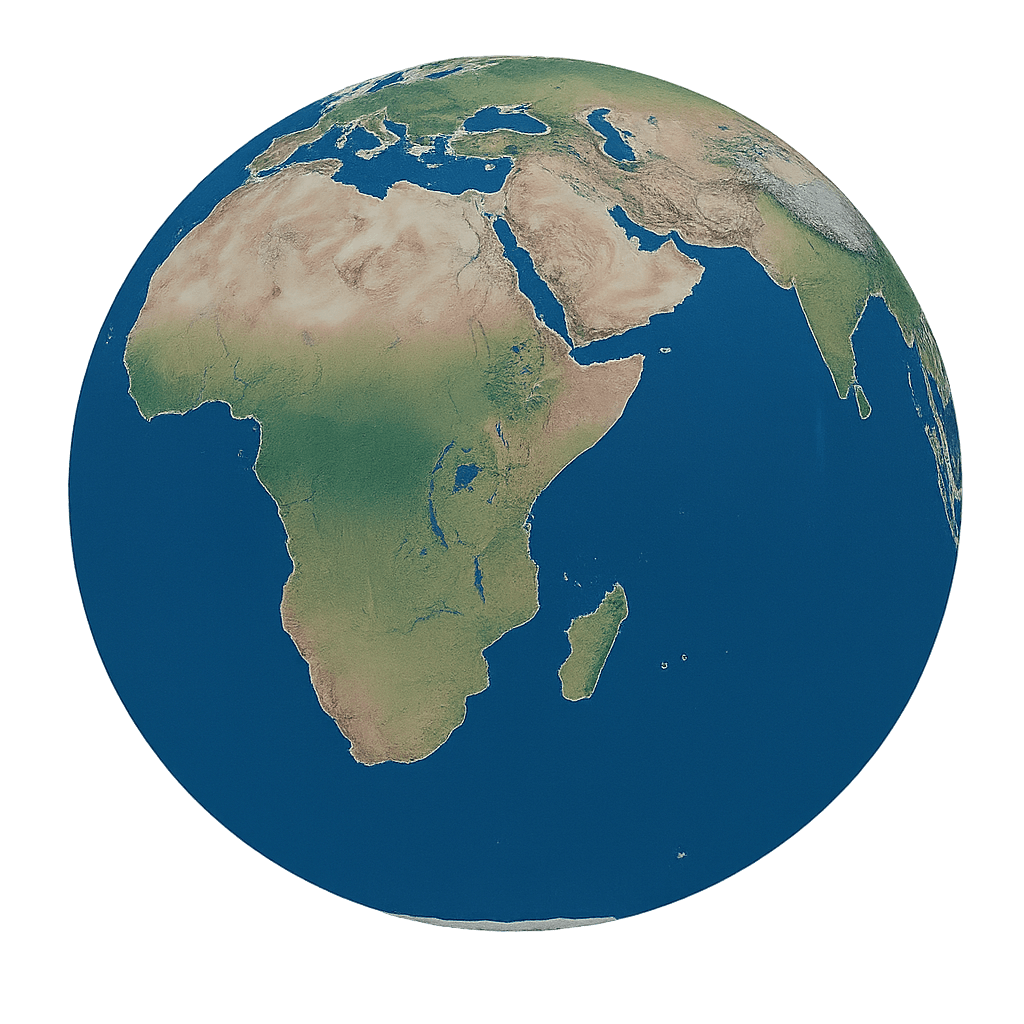
Tbilisi Transit Upgrade: Tbilisi signed the design-and-construction contract for a new tram line at the City Assembly, with a 36-month design timeline and a full project completion target within four years. Black Sea Security & Tech: Ukraine’s Navy is preparing for future Black Sea operations as Exercise Sea Breeze 2026 brings NATO and partner crews together, with a focus on countering evolving threats and deploying uncrewed systems. UN Map Push: The UN General Assembly backed the “Correct the Map” resolution, promoting equal-area projections over Mercator; Georgia abstained, while the U.S. voted against. Green Energy Corridors: Azerbaijan says its geography can link renewable energy resources and infrastructure across the region, pointing to Caspian–Black Sea–Europe and Central Asia–Azerbaijan green corridors. Human Premium & Algorithms: A study highlights an “algorithm discount,” where consumers value digital products less when they learn algorithms—not humans—created them. Public Safety Planning: Dalton council will consider a fire services assessment and stormwater engineering assignments, using a professional services contract to map staffing and response needs.
Black Sea Security Training: Ukraine’s Navy is preparing for future Black Sea missions as Exercise Sea Breeze 2026 brings Ukrainian crews to train with NATO partners in the UK, including work on countering Russian threats and deploying uncrewed systems. Cartography & Tech Policy: The UN General Assembly backed the “Correct the Map” push, urging governments, schools and tech firms to consider the Equal Earth projection over Mercator to better reflect Africa’s true size; Georgia abstained while the US voted against. Energy Strategy in the Caucasus: SOCAR and China Eximbank signal a new chapter for Azerbaijan’s industrial future, shifting cooperation toward higher-value processing and downstream production. Oil Export Resilience: Kazakhstan is upgrading its oil export strategy amid disruptions around the CPC terminal and tanker attacks, aiming to reduce dependence while building more managed interdependence. Human vs Algorithm Value: A new “algorithm discount” idea is getting attention: consumers may pay less for digital products when they learn algorithms, not humans, created them—fueling demand for “human premium” experiences. Regional Dialogue & Tensions: Abkhaz experts discuss what residents expect from Tbilisi, arguing Georgian-Abkhaz peace policy has drifted without trust or a clear framework. Defense Tech Watch: The UK’s Challenger 3 tank program faces reported gearbox strength issues that could delay delivery, highlighting how engineering bottlenecks can ripple into procurement timelines.
UN Cartography Shift: The UN General Assembly backed an African-led push to promote the Equal Earth equal-area map projection over Mercator, aiming to show Africa’s true relative size; the resolution passed 164–1 with the U.S. voting no and Georgia abstaining, while France said it will drop Mercator for official maps. Energy & Industry: SOCAR met China Eximbank and China National Petroleum Corporation in Baku, signaling Azerbaijan’s move from exporting raw oil and gas toward downstream processing, petrochemicals, and higher-value production. Georgia–Abkhazia Dialogue: A Tbilisi opinion piece argues Georgian-Abkhaz peace policy has become “paradigm-less,” with mistrust and drift sidelining dialogue as regional dynamics shift after Ukraine’s war. Public Infrastructure: A Dispatch report highlights “blue tanks” and the politics around water supply in a Western Georgian town, pointing to adaptation measures that shape daily life. Defense & Regional Security: A Middle East analysis discusses a new Mecca Joint Defense Agreement and warns Europe’s Iran approach could backfire by encouraging instability beyond Tehran’s borders.
AI in Biomedicine: Stanford researchers say generative AI helped design 16 new, fully functional bacteriophages aimed at fighting bacteria—an early step toward tackling antibiotic resistance, with biosafety concerns noted. Nuclear Tech: The US highlights a new wave of privately developed non-light-water reactors reaching criticality this summer, while data-center-driven power demand keeps nuclear deals in the spotlight. Cartography & Tech Policy: The UN backed a shift away from Mercator toward equal-area projections (like Equal Earth) to show Africa’s true relative size; Georgia abstained while the US voted no, turning a map choice into a geopolitical flashpoint. Regional Energy & Trade: Reports say Azerbaijan diesel and gasoline shipments to Armenia have affected local fuel prices, with the move framed by some as political as well as economic. Aviation Disruptions: UAE flight delays and cancellations continue to ripple across routes, including delays affecting Tbilisi among others. Georgia Tech & Education: A Georgian Agency for Innovation and Technology update notes Armenia’s ambassador visiting the Technopark, while local education events keep rolling.
UN Cartography Shift: The UN General Assembly backed an African-led push to move away from the Mercator projection, voting 164–1 to encourage use of the Equal Earth map that shows Africa closer to its true relative size; the U.S. voted no, while Georgia abstained. France Updates Diplomatic Maps: France said it will stop using Mercator-style maps in favor of Eckert IV, aiming to correct how polar and equatorial regions are visually represented. AI for Antibiotic Resistance: Stanford researchers report using generative AI to design 16 new, fully functional bacteriophages that target bacteria—an early step toward next-gen treatments as antibiotic resistance grows. Nuclear for Data Centers: A U.S. push helped four advanced test reactors reach criticality, with AI-driven data centers cited as a major driver of new nuclear demand. Archaeology in Tbilisi: Rehabilitation on Rustaveli Avenue uncovered medieval ceramic workshop remains, with Georgian National Museum and Georgian Technical University students involved. Armenia EXPO 2026: Armenia’s Armenia EXPO 2026 opened in Yerevan, highlighting industrial modernization and new technologies with regional participation including Georgia.
UN Cartography Shift: The UN General Assembly backed an African-led push to move away from the Mercator projection, with 164 countries voting for a switch toward equal-area maps like Equal Earth; the US voted no, while Georgia abstained—an effort framed as “cognitive justice” and aimed at correcting how Africa’s size is perceived. Security & Tech: Germany accused Russia of a drone attack on Leipzig-Halle Airport, reigniting debate over “hybrid war” tactics and how such threats are detected and countered. AI in Biomedicine: Stanford researchers report using generative AI to design 16 new, functional bacteriophages targeting bacteria—positioned as a potential new route against antibiotic resistance, with biosafety concerns noted. Georgia Energy/Industry: SOCAR Georgia Petroleum imported its first EN 228 petrol shipment from Italiana Petroli after SOCAR’s acquisition—aimed at diversifying supply and meeting European standards. Archaeology in Tbilisi: Rehabilitation on Rustaveli Avenue uncovered 10th–12th century ceramic workshop remains, with Georgian Technical University students involved. Regional Culture: Armenia’s “Days of Armenian Culture” in Georgia are set for October, starting Oct. 7 with a gala concert and an exhibition of Yervand Kochar.
Cartography & Education: The UN General Assembly backed an Africa-focused push to use maps that don’t make the continent look smaller, with Georgia among the abstainers and the US voting against—urging wider use of equal-area projections like Equal Earth. Archaeology in Tbilisi: After rehabilitation on Rustaveli Avenue, archaeologists uncovered 10th–12th century ceramic artifacts, likely tied to a medieval pottery workshop, with Georgian Technical University students involved. Energy & Trade Links: SOCAR Georgia Petroleum received its first petrol shipment from Italiana Petroli (SOCAR Group), a 5,000-tonne delivery meeting EU EN 228 standards. Regional Connectivity: Talks on the Trans-Caspian “Middle Corridor” focused on turning political plans into workable logistics across Kazakhstan, the Caspian, Azerbaijan, Georgia, and Turkey. Armenian Culture in Georgia: Armenia’s Culture Days are set for October 7–Nov 8 in Georgia, starting with a gala concert and an exhibition of Yervand Kochar’s works. Security & Infrastructure: Satellite imagery suggests construction slowed at a Russian Black Sea base site in Abkhazia’s Ochamchire, after a 2025 build-up.
Black Sea Security: Satellite imagery suggests Russia has slowed construction at the port of Ochamchire in Georgia’s breakaway Abkhazia, after a burst of work in 2025—raising questions about whether Moscow is deprioritizing a new naval base. Energy & Industry: SOCAR Georgia Petroleum imported its first petrol shipment from Italiana Petroli (SOCAR Group), a 5,000-tonne EN 228 delivery meant to diversify fuel supply for Georgia. Eurasian Connectivity: A European Forum Alpbach roundtable highlighted how the Trans-Caspian “Middle Corridor” depends on faster transit and working interfaces to become economically viable. AI Infrastructure Backlash: In the US, communities are pushing back against data centers powering AI, with a new pro-industry advertising push trying to shift public opinion. Local Tech/Research: Hajji Baba Club named two 2026–2027 Research Fellows, including a Tbilisi-based nonprofit project focused on Caucasus carpet and textile traditions. Health Research: A new study develops a scale to better capture patients’ beliefs around intradialytic hypotension during hemodialysis.
Middle Corridor Roundtable: Austria’s newly launched Austrian-Kazakh Connectivity Platform convened high-level decision-makers in Alpbach to push the Trans-Caspian route from political plans to faster, cheaper, workable logistics across Kazakhstan–Caspian–Azerbaijan–Georgia–Turkey. AI Data Centers Backlash: A new U.S. pushback campaign targets communities resisting AI data centers, highlighting rising utility and water concerns and growing political friction around the AI buildout. Georgia AI Race (Local Impact): A report from Savannah, Georgia points to the state’s surge in planned data center development as the “fourth revolution,” tying computing capacity to national security and economic power. Alpine Climate Warning: A study in Science finds mountaintops can look greener while alpine plants still decline locally, with shrinking plant cover acting as an early warning for future extinctions. Air Pollution Worry Gap: A global survey finds many people aren’t worried about polluted air despite widespread health risk, raising concerns about weaker public pressure for cleaner-air policy. Regional Connectivity & Ports: Georgia’s Anaklia deep-sea port is moving toward a multi-investor model, aiming to reduce dependence on any single external power while strengthening Middle Corridor transit ambitions. Armenia–Abkhazia Railway Idea: Armenia’s Reformist Party leader argues for reopening the Abkhazian rail link as a potential economic and geopolitical opportunity.
AI Infrastructure & Security: Georgia Southern University experts say Southeast Georgia is becoming a new AI data-center front, with computing power framed as a geopolitical “currency,” while Georgia’s planned facilities are rising fast. Data Centers vs. Communities: In the US, families near a Meta data center in Georgia are suing over claims of contaminated well water, noise, and light pollution—another sign the AI buildout is meeting resistance. Geothermal Push: Europe is looking to scale geothermal beyond its tiny current share, citing high upfront costs and data gaps, with a new stakeholder partnership planned. Regional Tech & Transit: Georgia’s Anaklia deep-sea port is moving to a multi-investor model, shifting China from a likely co-owner to one possible participant, with knock-on effects for the Middle Corridor. Local Governance & Infrastructure: Armenia appointed David Ivanyan as Deputy Minister of Territorial Administration and Infrastructure, with a background spanning logistics and Yandex Delivery. AI in Public Safety: Georgia’s MPD is using AI to help identify people with behavioral health needs, alongside Flock camera deployments.
Anaklia Port Strategy: Georgia is moving the Anaklia deep-sea port to a multi-investor model, reducing reliance on any single external backer and shifting more financial and management responsibility to the state—an approach that could reshape ties with the US, Central Asia, and the Middle Corridor. Middle Corridor Logistics: New reporting says corridor traffic has surged since 2022 and transit times have fallen sharply as shippers reroute around sanctions and the Red Sea—keeping Georgia’s rail link central while alternative routes like Zangezur take shape. Data Center Backlash: In the US, families near a Meta data center are suing over claims of well-water contamination, noise, and lighting impacts, adding to the growing political fight over datacentres. Border Tech Funding: The ADB-backed BUILD facility will modernize CAREC border rail/road crossings with digital systems, screening tech, and harmonized procedures to cut delays and costs. Education & AI Cooperation: Tbilisi proposes expanding education ties with Turkmenistan, including a possible Georgian university branch, student pathways, and joint research—alongside Turkmen plans to bring digital tech and AI into schooling. Agriculture Skills: Georgia’s environment and agriculture minister visited the Swiss Agricultural School Caucasus to highlight vocational training tied to farm production, aiming to build modern, competitive agriculture. Authorized Lens Repairs: ZEISS named KEH Camera its exclusive authorized repair and service partner for ZEISS photography lenses across the US and Canada.
Data Center Lawsuit: Georgia families sue Meta over claims a Newton County data center contaminated their well water, with alleged aquifer pollution, muddy taps, and added noise and light disruption. AI Arms Control Debate: A global push to ban “killer robots” is resurfacing as reports highlight how AI-assisted targeting can reduce human control in fast strikes. Border Tech & Trade: The ADB-backed BUILD facility will fund rail/road border upgrades across the CAREC region, including digital systems and screening tech to cut crossing delays. Georgia–Turkmenistan Education Links: Tbilisi proposes a Georgian university branch in Turkmenistan, student exchange, and an education fair, alongside AI and digital tech in schooling. Anaklia Port Acceleration: Jan De Nul is dredging Anaklia’s 17.5m access channel and turning basin and building a 1.38km breakwater, targeting first phase completion in 2029. Conservation Update: Georgia opens public comment on its protected species list, aiming to expand species coverage from 318 to 423. EV Retail Expansion: E-auto invests about $5M to open HONGQI’s largest regional center in Yerevan, expanding showroom, service, and spare-parts capacity for Armenia and Georgia. Tech, Policy & Society: A new campaign in New Zealand pushes people to “pick up the phone” amid texting ambiguity—an indirect reminder of how communication tech shapes everyday behavior.
Data Centers in Focus: T5 Services is rebranding its construction arm as EverOn Data Center Services and moving its operations unit to join Salute, aiming to expand mission-critical uptime capabilities across the data center lifecycle. Education Tech & AI: Georgia’s education ministry is proposing a university branch in Turkmenistan, plus an education fair and joint research, as Turkmen officials highlight digital technologies and AI in schooling. AI in Public Safety (Georgia-adjacent): A Georgia police pilot using “CaseFinder” to flag behavioral health needs from reports and 911 transcripts hit a snag integrating with records systems, showing how practical hurdles can slow AI adoption. Regional Connectivity: A Washington roundtable is set to discuss how the Middle Corridor can grow with rail, ports, border reforms, and digital tech—key for trade between Central Asia, the South Caucasus, Türkiye, and Europe. Conservation Update: Georgia opened public comment on its first protected species list update in 20 years, expanding the catalog from 318 to 423 species. Tech Cooperation: Armenia’s ambassador visited Georgia’s innovation technopark to discuss joint initiatives, including DigiTech 2026 in Yerevan. Cyber & Security: Türkiye and Georgia pledged tighter operational cooperation against cross-border organized crime networks using digital tools.
Conservation & Policy: Georgia has opened a public comment period on proposed updates to its protected species list for the first time in 20 years, with the number of protected plants and animals set to rise from 318 to 423 and new rules aligning state statuses with federal endangered listings. AI & Education: Georgia’s Ilia Chavchavadze Batumi Public School No. 1 student spoke at a Geneva session supporting free public preschool and general education, framing early learning as a right. Tech & Skills: GWSB and Georgian National University SEU launched a dual master’s degree in AI for Business in Tbilisi, aiming to build a pipeline of applied AI experts. Digital Government: Cambodia’s verify.gov.kh document verification platform won a UN Public Service Award in Transparency and Accountability, using AI and QR-based authentication—an example of how digital identity can scale across ministries. Public Safety Tech: Georgia’s MPD chief discussed the value and limits of Flock cameras, while a separate pilot using AI to flag behavioral health needs faced integration hurdles with records systems. Regional Tech/Trade Context: Analysis pieces highlight how Azerbaijan is turning SCO ties into broader economic and connectivity strategy, spanning transport, energy, telecoms, and education.
Sign up for:
Georgian Technology News
The daily local news briefing you can trust. Every day. Subscribe now.
Check Your Email!
We sent a one-time activation link to: .
Confirm it's you by clicking the email link.
If the email is not in your inbox, check spam or try again.
Welcome back!
is already signed up. Check your inbox for updates.